

The global business landscape in 2026 is defined by a profound shift back to physical infrastructure, resource scarcity, and specialized service operations. While digital platforms and automated software continue to evolve, the most consistent, recession-proof margins are currently found in industries that manage tangible assets, process raw materials, and maintain critical real estate infrastructure. As supply chains tighten and compliance standards rise, businesses that solve complex, physical problems are commanding unprecedented pricing power.
For entrepreneurs, corporate investors, and transitioning professionals, entering a high-growth industry requires looking past temporary trends and analyzing core economic drivers: urban redevelopment cycles, strict data privacy mandates, resource recycling demands, and aging infrastructure grids. Success in these lucrative fields relies on your ability to navigate advanced logistical frameworks, scale specialized labor teams, and optimize capital-heavy asset management.
1. Capitalizing on the Urban Redevelopment and Structural Deconstruction Boom

Engineering Safe Structural Levelling Projects and Navigating High-Density Site Logistics
Municipalities across the country are aggressively pushing to modernize their urban cores, converting outdated industrial facilities and vacant commercial blocks into high-density residential and mixed-use spaces. This continuous transformation has created an immense, non-negotiable demand for specialized site clearance operations.
If you are looking to enter a high-barrier, capital-intensive sector, launching an enterprise focused on commercial demolition represents an exceptionally lucrative path. Modern site clearance requires a deep understanding of structural physics, advanced dust-mitigation systems, and strict environmental hazardous waste remediation protocols. By building an elite operational crew capable of leveling multi-story steel and concrete structures without disrupting neighboring commercial districts, you can secure high-ticket municipal and private developer contracts.
-
Master Precision Robotic Deconstruction Tools: Invest in compact, remote-controlled robotic parsing machinery to execute safe structural deconstruction in tight, indoor, or high-risk urban environments.
-
Audit Regional Hazardous Material Disposal Compliance: Establish ironclad standard operating procedures for detecting, containing, and legally disposing of localized asbestos, lead paint, and industrial chemical residues.
2. Optimizing High-Capacity Heavy Rigging and Logistics Infrastructure
Managing Complex Aerial Lift Mechanics and Calibrating Strict On-Site Safety Matrices
As structural components for modern commercial buildings and green-energy installations grow larger and heavier, the logistics of vertical movement have become a major bottleneck for the construction industry. Modular multi-family developments, massive data center cooling towers, and industrial manufacturing wind components require specialized, high-capacity machinery to lift and position them safely. This structural reality makes heavy rigging operations one of the most profitable B2B service sectors in the current economy.
Building a dominant enterprise in this space requires establishing a highly disciplined, certified crane company that serves regional industrial corridors. This business model relies on managing a fleet of versatile all-terrain, crawler, and tower lifting systems alongside highly skilled, certified rigging teams.
-
Standardize Comprehensive NCCO Personnel Certifications: Require every field operator and rigger to hold top-tier national certifications to keep your corporate liability insurance premiums low.
-
Execute Digital 3D Lift Simulation Planning: Utilize advanced lift-planning software to simulate wind resistance, ground bearing pressure, and boom configurations before moving heavy machinery onto a job site.
3. Scaling Capital-Efficient Machinery and Fleet Management Networks
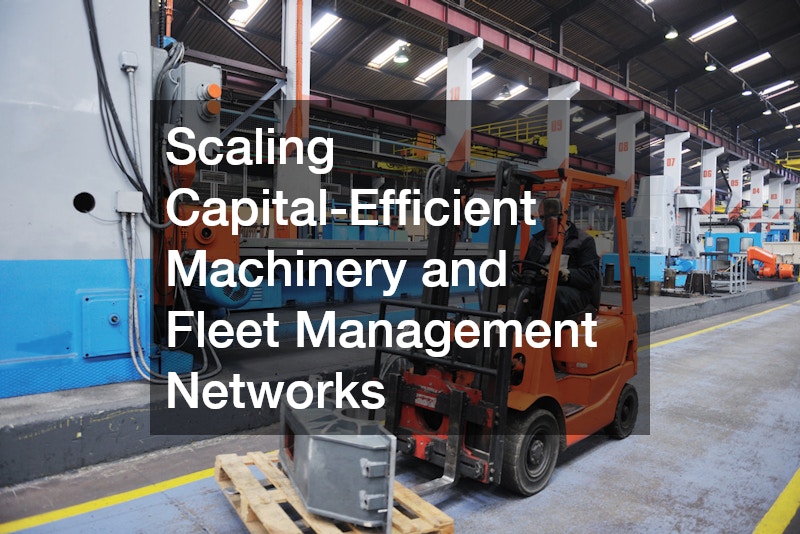
Developing High-Yield B2B Equipment Fleets and Streamlining Digital Asset Tracking
The financial reality of modern construction requires commercial contractors to keep their operating overhead as lean as possible. Purchasing multi-million dollar fleets of excavators, skid steers, and aerial lifts binds up critical investment capital and introduces massive, ongoing maintenance liabilities. Consequently, modern construction firms are rapidly moving away from equipment ownership and relying heavily on third-party suppliers to fulfill their machinery needs on a project-by-project basis.
Entering the lucrative world of construction equipment rental allows you to build a highly scalable business driven by predictable B2B recurring revenue. To protect your investment margins, your rental hub must focus on maximizing machine utilization rates and implementing rigorous preventative maintenance programs.
-
Implement Cloud-Based Telematics Tracking Matrices: Utilize advanced GPS and engine diagnostic tracking to monitor real-time machine hours, locate field assets, and catch equipment abuse early.
-
Optimize Specialized Fleet Mix Ratios: Look into your local development landscape to balance your inventory between high-demand mid-size excavators and specialized zero-emission electric scissor lifts.
4. Engineering Advanced Commercial and Industrial Fluid Infrastructure
Diagnosing Complex Electro-Hydraulic Pump Failures and Restoring Main Water Networks
Our commercial and industrial infrastructure relies completely on continuous, high-efficiency fluid management. Office complexes, massive manufacturing facilities, food processing plants, and multi-family residential developments require perfectly balanced water pressure, waste processing, and thermal fluid lines to stay operational.
Building a high-margin enterprise focused on industrial and commercial plumbing services positions your brand as an essential, emergency-response asset protection partner. Technicians in this elite space move far past basic residential repairs; they use advanced thermal imaging cameras, high-resolution main line inspection scopes, and electronic leak detection gear to troubleshoot complex commercial systems. Securing long-term service contracts with regional property groups guarantees steady, recession-proof revenue all year round.
-
Deploy High-Volume Hydro-Jetting and Descaling Fleets: Utilize trailer-mounted, high-pressure water systems to clear scale and debris from commercial sewer mains, preventing catastrophic blockages.
-
Master Complex Backflow Prevention Testing: Certify your team to perform mandatory annual backflow audits, creating an automated, high-margin compliance testing revenue stream.
5. Dominating High-Ticket Structural Aesthetics and Protective Coating Services
Calibrating Advanced Commercial Spray Logistics and Managing Large Multi-Site Crew Rotations
Commercial properties, warehousing facilities, and residential developments require continuous exterior upkeep to protect their structural envelopes from weather damage, chemical corrosion, and natural degradation. While interior designs change quickly, the fundamental need to apply high-performance protective coatings to concrete, steel, and wood structures remains a non-negotiable asset protection requirement for property managers.
If you want to enter a highly profitable service sector with low equipment startup costs but massive scalability, building an elite firm of professional house painters and commercial coating specialists is an exceptional move. By shifting your target market away from casual DIY residential accounts and focusing directly on high-volume commercial real estate, multi-family communities, and industrial complexes, you can secure large, multi-week painting contracts.
-
Utilize Advanced High-Capacity Airless Sprayer Arrays: Invest in commercial-grade, multi-gun airless spraying systems to dramatically cut application times on large industrial walls and commercial warehouses.
-
Enforce Strict Environmental VOC Compliance Standards: Align your paint and coating inventories with local clean air mandates, prioritizing low-VOC, high-durability polymers to attract eco-conscious corporate accounts.
6. Monopolizing Secure Data Destruction and Corporate Compliance Networks
Deploying Mobile Shredding Fleets and Establishing Ironclad Chains of Custody
In our modern, heavily regulated business environment, protecting intellectual property and sensitive client data is a critical corporate requirement. Under strict federal regulations like HIPAA, FACTA, and GLBA, corporate entities face massive financial penalties and devastating legal liabilities if they mishandle confidential paper records, digital storage drives, or proprietary product prototypes. This high-stakes compliance landscape has turned secure data destruction into an incredibly lucrative B2B service industry.
To capture this high-margin market, you should establish a highly secure enterprise delivering certified corporate shredding services. This business model relies on deploying a fleet of custom box trucks equipped with industrial, high-throughput mechanical cross-cut shredders directly to corporate offices. By destroying sensitive files right on site and issuing legally binding certificates of destruction, you provide corporate legal teams with absolute peace of mind and secure reliable, recurring contract revenue.
-
Deploy Real-Time Video-Monitored Destruction Feeds: Equipping your mobile service trucks with external camera monitors allows corporate clients to watch their documents being destroyed in real time, building immense brand trust.
-
Achieve Elite NAID AAA Security Certifications: Pass rigorous, unannounced audits by the National Association for Information Destruction to prove your operational security meets the highest global standards.
7. Exploiting Global Resource Scarcity via Industrial Base Metal Processing
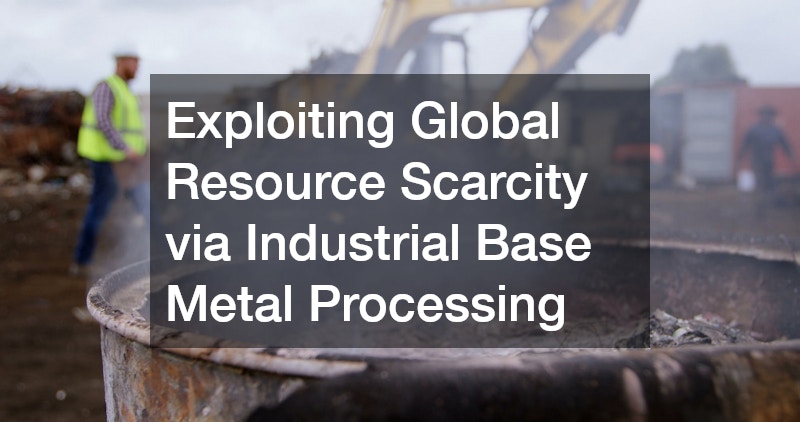
Structuring High-Volume Scrap Procurement Logistics and Sorting Complex Metal Alloys
Global manufacturing supply chains are facing a massive shortage of virgin base metals, driven by geopolitical friction, rising mining costs, and strict international carbon-reduction mandates. As a result, industrial manufacturing plants, aerospace firms, and automotive production centers are heavily shifting their focus toward recycled raw materials. This structural economic pivot has turned bulk material reclamation into an incredibly profitable sector for entrepreneurs who understand high-volume logistics and metallurgical sorting.
If you want to capitalize on this multi-billion-dollar resource loop, you should enter the industrial metal recycling sector. This business model focuses on capturing massive streams of ferrous and non-ferrous manufacturing waste, structural demolition debris, and obsolete machinery. By running a centralized processing yard equipped with heavy-duty hydraulic shears, high-speed metal balers, and advanced sorting technology, you can clean and process raw scrap into high-purity commodities that fetch premium prices from global foundries.
-
Utilize Handheld X-Ray Fluorescence (XRF) Analyzers: Equip your receiving team with digital XRF alloy guns to instantly identify and sort high-value metal chemistry, preventing expensive grading mistakes.
-
Deploy High-Capacity Industrial Material Handlers: Use heavy, tracked material handlers outfitted with heavy-duty sorting magnets and hydraulic rotating grapples to optimize your yard’s processing efficiency.
8. Extracting Premium Returns from High-Value Engineering and Plumbing Scrap
Capitalizing on Global Commodity Demand to Monetize High-Purity Industrial Copper Lines
Within the massive base metal recycling loop, certain high-conductivity elements command incredible pricing premiums due to their critical role in data infrastructure, electric vehicle manufacturing, and national electrical grid upgrades. Copper remains the undisputed king of these industrial scrap elements. Because recycled copper requires up to 85% less energy to process than mining virgin ore, global industrial foundries are constantly competing to secure clean, high-purity scrap streams.
Entrepreneurs can build an incredibly profitable, high-velocity trade network by setting up dedicated commercial procurement channels to buy and sell copper scrap. This business model targets high-purity electrical cables, heavy busbars, and industrial plumbing tubes sourced directly from major commercial electrical upgrades and demolition sites. By investing in mechanical wire-stripping machinery and automated chopping lines, you can refine low-grade insulated wire into raw, bare-bright copper granules that command top-tier commodity pricing.
-
Invest in Automated High-Speed Mechanical Wire Strippers: Process heavy industrial multi-conductor cables efficiently to remove exterior plastic insulation without using hazardous, illegal burning methods.
-
Establish Direct B2B Procurement Contracts with Electrical Firms: Offer local commercial electrical contractors dedicated scrap collection bins directly on their job sites, securing a consistent supply of clean wire before it hits retail markets.
9. Launching a Premium B2B Precious Metal Refining Hub

Structuring Safe Capital Reserves and Deploying Advanced Spectrometric Assay Systems
During times of global economic shifts, high inflation, and changing currencies, precious metals naturally reclaim their role as the ultimate global safe-haven asset. As gold prices reach historic highs, millions of ounces of jewelry, estate assets, industrial electronics components, and dental scrap are rushing into the market to be liquidated. This massive surge in transaction volume creates a highly profitable opportunity for disciplined operators who can establish a secure, trusted trading hub.
To capture this high-ticket retail and commercial volume, you should position your enterprise as an elite, high-volume gold buyer and precious metal refiner. Success in this delicate field requires moving past casual pawn shop setups and investing in laboratory-grade testing gear, accurate electronic scales, and advanced induction melting furnaces.
-
Deploy Advanced Laser Induced Breakdown Spectroscopy (LIBS) Systems: Use precise digital spectrometers to verify the exact karat purity of precious metals instantly, completely avoiding destructive acid-testing methods.
-
Install High-Security Multi-Layered Vault Systems: Protect your physical inventory by building reinforced concrete vault rooms monitored by biometric access locks and continuous cloud-based security networks.
10. Navigating Advanced Corporate Finance and Multi-Tiered Asset Taxation
Engineering Complex Corporate Tax Structuring and Maximizing Capital Depreciation Credits
As industrial and service corporations scale up their operations, manage expensive machinery fleets, and navigate multi-state contract revenues, their financial structures become incredibly complex. The continuously changing tax codes, complex capital equipment depreciation allowances, and international corporate structural rules create a high-stakes financial landscape.
Because the financial stakes are so high, building a premium advisory firm as a certified business tax advisor is one of the most stable and lucrative professional paths in the modern economy. High-performing industrial firms willingly pay premium monthly retainers for expert financial strategists who can optimize their corporate tax structures.
-
Optimize Specialized Modified Accelerated Cost Recovery System (MACRS) Deductions: Guide your industrial clients through advanced asset depreciation schedules to maximize their upfront tax deductions on heavy machinery purchases.
-
Structure Multi-State Corporate Nexus Frameworks: Help expand service enterprises structure their legal entities correctly across state lines to avoid double-taxation and minimize state corporate tax liabilities.
By steering away from saturated digital trends and building enterprises in high-margin sectors, such as advanced structural deconstruction, heavy lifting logistics, industrial resource reclamation, or secure data destruction, you create an unshakeable competitive advantage. These fields carry high entry barriers that protect you from casual competitors while generating impressive, sustainable profit margins driven by non-negotiable commercial needs.
Building a dominant, market-leading corporation in these industrial sectors requires a continuous balance between investing in advanced specialized equipment and mastering targeted B2B client acquisition pipelines. While amateur operators continue to compete on price in small local markets, your enterprise can leverage elite technical training, robust corporate compliance documentation, and expert corporate financial structuring to lock down lucrative, long-term commercial contracts. Commit to absolute mechanical precision, foster an unshakeable on-site safety culture, and deploy data-driven management frameworks; by doing so, you will ensure your new enterprise grows into a powerful, highly profitable corporation that delivers immense financial returns for decades to come.